Cost of Living
What Fed Rates Mean for the South Florida Housing Market Right Now
By South Florida Relocation Alliance · August 4, 2026
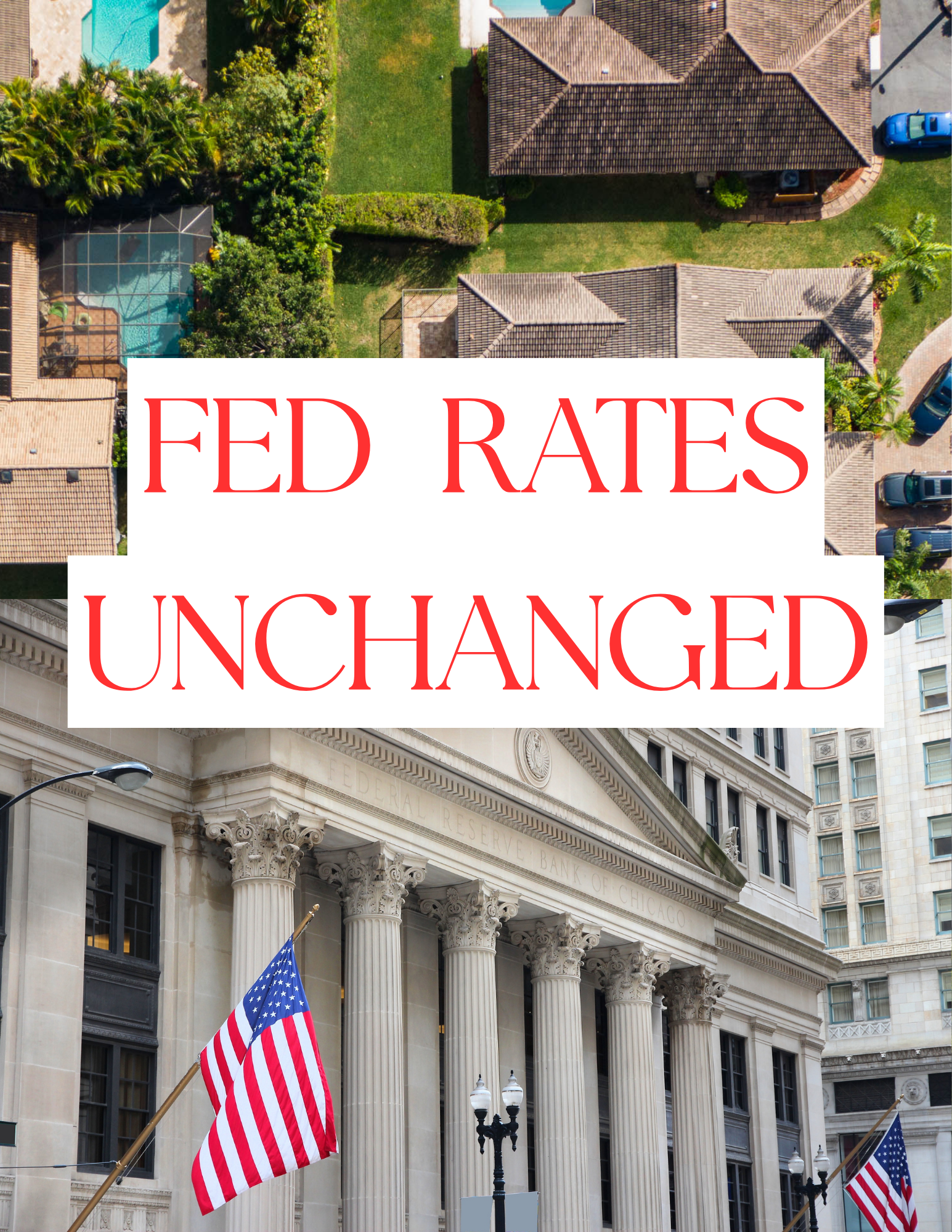
The Federal Reserve does not set mortgage rates directly—but its decisions can still have a major effect on the South Florida real estate market.
As the Fed keeps its benchmark rate in the 3.50%–3.75% range, buyers and sellers are watching closely for clues about where borrowing costs may go next. Mortgage rates remain meaningfully higher than the ultra-low rates many homeowners became used to earlier in the decade, with the average 30-year fixed mortgage rate recently around the mid-6% range nationally, according to Freddie Mac.
So, what does that mean if you are thinking about buying or selling in Miami-Dade, Broward, or Palm Beach County?
First: The Fed Doesn’t Directly Set Your Mortgage Rate
It is a common misconception that a Fed rate cut automatically causes mortgage rates to fall by the same amount. In reality, mortgage rates are influenced by several factors, including inflation expectations, bond markets, the economy, and the outlook for future Fed policy.
That means mortgage rates can move before a Fed meeting—or sometimes barely move after one. Still, Fed policy matters because it shapes the overall borrowing environment and buyer confidence.
Higher Rates Continue to Affect Affordability
When mortgage rates are higher, the same home costs more each month. That can reduce a buyer’s purchasing power, particularly for first-time buyers and households financing a large portion of their purchase.
For example, a change of even one percentage point in a mortgage rate can create a meaningful difference in a buyer’s monthly payment. In South Florida, where home prices, insurance expenses, taxes, and HOA costs can already be substantial, affordability remains a central consideration.
Higher rates have also contributed to the “lock-in effect.” Many current homeowners have mortgages with rates far below today’s market rates, making them less motivated to sell unless they have a strong reason to move. That can limit resale inventory, especially for desirable single-family homes.
South Florida Is Not One Market
The impact of rates varies significantly depending on property type, price point, and location.
Single-family homes in sought-after South Florida neighborhoods have generally remained more resilient. Limited land, ongoing migration, lifestyle demand, and a substantial cash-buyer population continue to support demand in many communities.
The condo market, however, can look different. In some areas, buyers have more choices and more negotiating leverage than they did a few years ago. Condo buyers are considering not only mortgage rates, but also association fees, insurance, reserve requirements, and potential assessments. As a result, well-priced and well-maintained properties are standing out more than ever.
According to a recent South Florida market outlook from the Miami Association of REALTORS®, the region continues to show resilience despite elevated mortgage rates, though market conditions differ between single-family homes and condos.
What Could Happen if Rates Ease?
If mortgage rates decline, even modestly, more financed buyers may re-enter the market. That could increase showing activity, pending sales, and competition for well-priced homes.
For buyers, lower rates could improve monthly affordability or allow them to qualify for a higher purchase price. For sellers, renewed buyer demand could help reduce days on market—particularly for homes that are priced accurately and presented well.
However, lower rates do not necessarily mean buyers should wait. If rates fall, increased demand may also bring more competition. The right strategy depends on a buyer’s financial position, timing, and the specific property they want.
What Buyers Should Do Now
Today’s market can offer opportunity—especially for buyers who are prepared.
-Get pre-approved with a trusted local lender.
-Compare loan programs and ask about rate-lock options.
-Focus on the total monthly cost, including insurance, taxes, HOA fees, and maintenance.
-Be ready to negotiate, particularly where inventory is higher.
-Remember that a mortgage can potentially be refinanced later; the right home and purchase terms may be harder to replicate.
-What Sellers Should Do Now
-Sellers should recognize that buyers are more payment-conscious than they were during the frenzy of 2021 and 2022. Pricing, condition, and marketing matter.
A strong listing strategy includes:
-Pricing from current comparable sales—not from peak-market expectations.
-Preparing the property so it makes an excellent first impression.
-Being transparent about important ownership costs.
-Considering concessions or incentives when appropriate.
-Positioning the home to appeal to both financed and cash buyers.
The Bottom Line
Fed policy will remain an important story for the housing market, but it is only one part of the South Florida real estate picture.
Mortgage rates, insurance costs, inventory, local job growth, migration, international demand, and the continued presence of cash buyers all play a role. South Florida’s market is more balanced than it was during the pandemic-era boom, but quality homes in desirable locations are still attracting attention.
Whether rates move lower, stay steady, or rise again, the best real estate decisions are based on your personal goals—not headlines alone. If you are considering a move in South Florida, understanding your options and having a local strategy can make all the difference.
Disclaimer: Mortgage rates and market conditions change frequently. Speak with a qualified mortgage professional for current loan terms and personalized financing guidance.